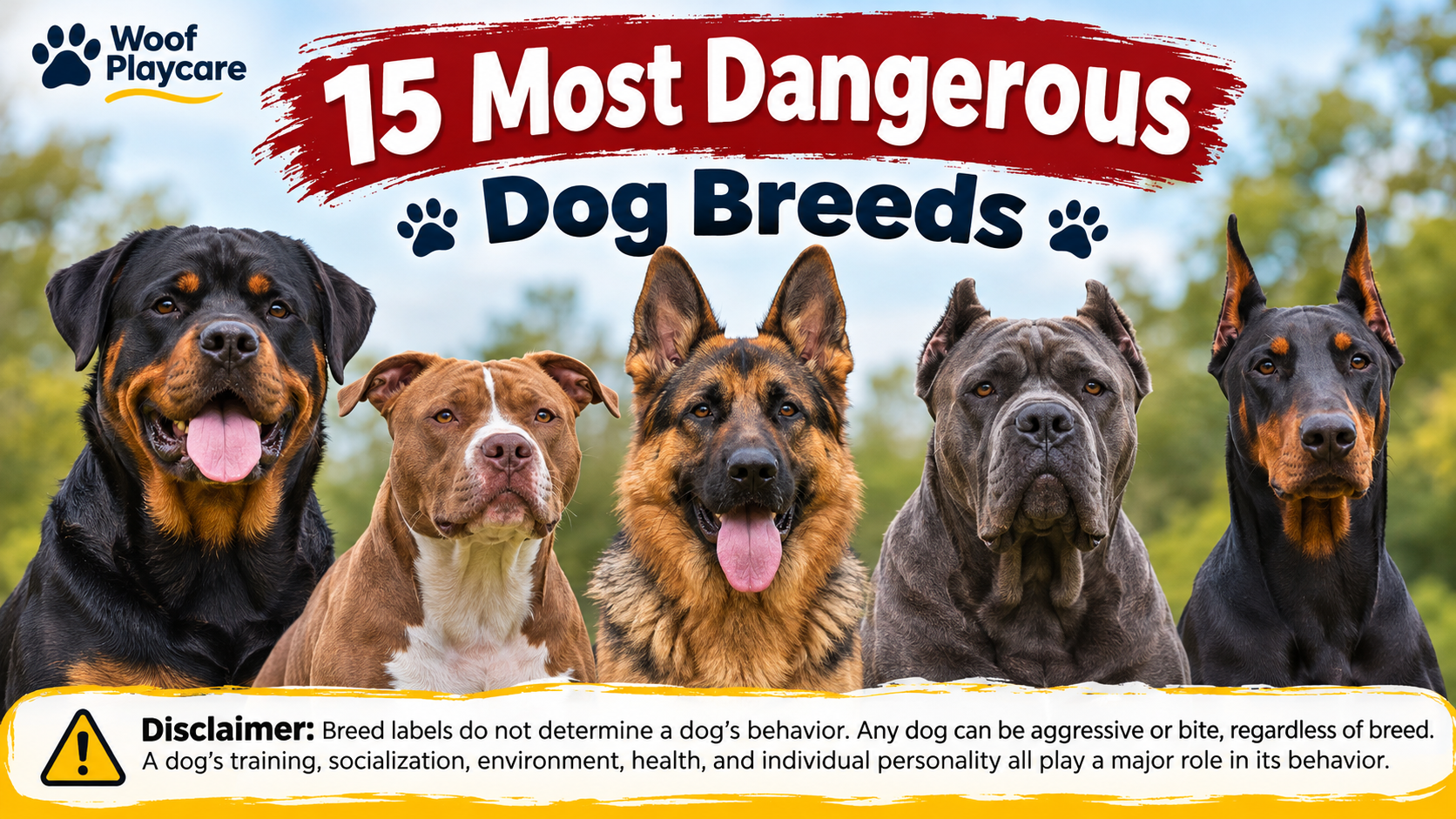
15 Most Dangerous Dog Breeds: Temperament, Strength, and Bite Risks
Dogs are known for being loyal, loving, and protective companions. Millions of families welcome dogs into their homes because of the happiness and companionship they provide. However, not every dog has the same temperament, strength, or training requirements. Some breeds are especially powerful, protective, or challenging for inexperienced owners, which can create safety concerns when their needs are not properly managed.
When people search for the most dangerous dog breeds, they are often looking for information about aggressive behavior, biting incidents, physical strength, and which dogs require the most careful handling. While certain breeds frequently appear in discussions about serious dog attacks, it is important to understand that a dog’s breed alone does not determine whether it will become aggressive.
According to the American Veterinary Medical Association, any dog can bite, regardless of its breed or size. A dog’s upbringing, socialization, environment, health, and individual personality all influence its behavior. Understanding these factors is essential when deciding which dog is right for your family.
In this guide, we will explore 15 dog breeds commonly associated with strength, guarding instincts, or public concerns about dangerous behavior. We will also explain what makes certain dogs more challenging to manage and how responsible ownership can help prevent aggressive incidents.
What Makes a Dog Breed Dangerous?
Before discussing individual breeds, it is important to understand what makes a dog potentially dangerous. Aggression and physical strength are not the same thing. A large, powerful dog may have the ability to cause serious injuries without being naturally aggressive, while a smaller dog may display frequent aggressive behavior but have less ability to cause severe physical harm.
Several factors can influence how dangerous an individual dog may become. Physical size and strength can affect the severity of an attack, while territorial behavior, fear, poor socialization, and a history of aggression can increase the likelihood of a bite. Dogs that have experienced abuse, neglect, or inadequate training may also develop behavioral problems that require professional attention.
Some breeds were originally developed for guarding property, protecting livestock, hunting large animals, or performing demanding physical work. These backgrounds can influence characteristics such as alertness, independence, and protective behavior. However, these traits do not automatically make a dog aggressive.
The ASPCA explains that a dog’s individual temperament and behavioral history are more useful indicators of aggression than breed alone. With proper training, supervision, and responsible ownership, many powerful working breeds can become wonderful family companions.
1. American Pit Bull Terrier
The American Pit Bull Terrier is one of the most frequently discussed dogs when it comes to dangerous breeds. Known for its muscular build, athletic abilities, and strong determination, this breed has developed a controversial reputation because of its historical association with dog fighting and its appearance in reports of serious biting incidents.
Despite this reputation, many Pit Bulls are affectionate, playful, and extremely loyal to their families. They often enjoy spending time with people and can develop strong relationships with their owners. Their physical strength and energy levels mean they benefit from consistent training, daily exercise, and careful supervision around other animals.
One challenge when discussing Pit Bulls is that the term is frequently used to describe several different breeds and mixed-breed dogs with similar physical appearances. This can make breed-specific attack statistics difficult to interpret accurately. A dog’s appearance should never be treated as proof that it is dangerous.
2. Rottweiler
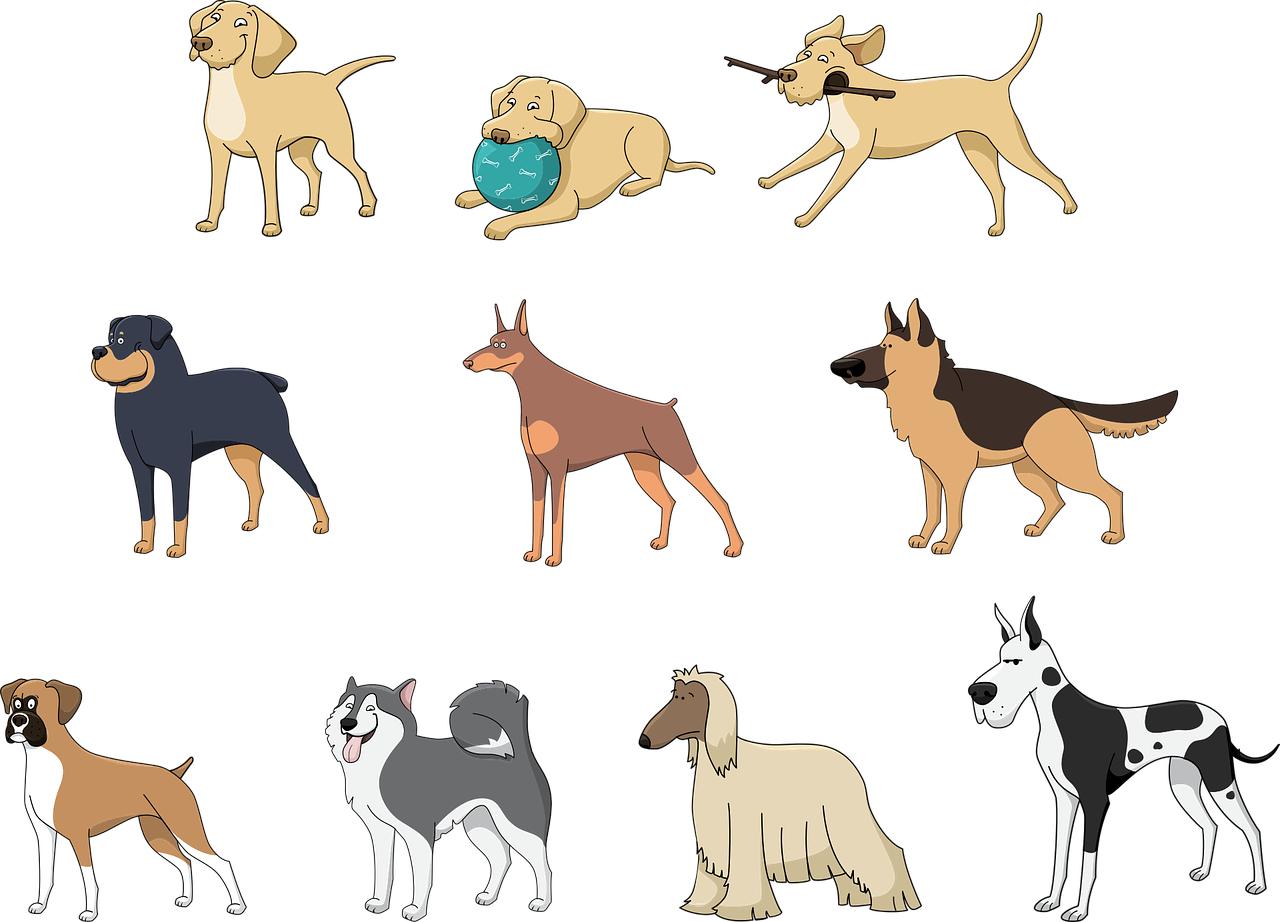
Rottweilers are large, powerful working dogs originally developed to herd livestock and protect property. Their muscular bodies, strong jaws, and naturally watchful personalities make them impressive guardians. These characteristics also mean they require experienced handling and consistent obedience training.
A properly socialized Rottweiler can be calm, confident, and affectionate with its family. However, some individuals may become overly protective when they feel their home or loved ones are threatened. Without appropriate boundaries and training, this behavior can become difficult to manage.
Rottweilers benefit from structured routines, early exposure to different people and environments, and plenty of physical and mental activity. Owners should focus on positive reinforcement and teaching their dogs how to remain calm around unfamiliar visitors.
3. German Shepherd
German Shepherds are among the world’s most recognizable working dogs. Their intelligence, athleticism, and trainability make them popular choices for police departments, military organizations, search-and-rescue teams, and family protection.
Although German Shepherds can be wonderful companions, their strong working instincts require attention. Some individuals are naturally cautious around strangers and may display territorial behavior if they are not properly socialized. Their speed, size, and strength also mean that aggressive behavior can have serious consequences.
These dogs thrive when they have a purpose and receive regular exercise, mental stimulation, and consistent training. Families considering a German Shepherd should be prepared to invest time in obedience, socialization, and daily activities that keep the dog physically and mentally satisfied.
4. Doberman Pinscher
The Doberman Pinscher is a sleek, muscular breed originally developed for personal protection. Dobermans are known for their intelligence, alertness, speed, and loyalty. Their natural awareness of their surroundings makes them effective watchdogs, but they also require responsible handling.
Dobermans typically develop strong bonds with their families and often enjoy being involved in daily household activities. However, some may become suspicious of unfamiliar people or situations without proper socialization.
Because Dobermans are energetic and intelligent, they need more than occasional walks. Regular exercise, obedience training, and interactive activities help prevent boredom and encourage balanced behavior. With appropriate care, many Dobermans become affectionate and dependable family pets.
5. Bullmastiff
Bullmastiffs are massive dogs originally developed to help protect large estates from intruders. Their impressive size, muscular build, and guarding background make them a breed that requires careful training and management.
Despite their intimidating appearance, Bullmastiffs are often calm and affectionate around familiar people. Many enjoy relaxing at home and spending time with their families. However, their protective tendencies can create challenges if they are not taught how to respond appropriately to strangers.
A Bullmastiff’s size alone makes supervision important, especially around young children or smaller animals. Even an overly excited dog can accidentally knock someone over. Early training, proper socialization, and consistent household rules are essential for responsible ownership.
6. Cane Corso
The Cane Corso is a large Italian mastiff breed historically used for guarding property and performing demanding farm work. These dogs are powerful, athletic, and naturally alert, making them particularly appealing to experienced owners looking for a protective companion.
Cane Corsos can be deeply devoted to their families, but they are not typically recommended for owners who are unprepared for the responsibilities of managing a large guardian breed. Their independence and protective instincts require clear communication, structured training, and extensive socialization.
Without proper guidance, a Cane Corso may become difficult to control in unfamiliar situations. Owners should prioritize calm behavior, reliable obedience, and positive interactions with people and other animals from an early age.
7. Akita
Akitas are large, strong dogs originally developed in Japan for hunting and guarding. They are known for their loyalty, independence, and dignified personalities. While many Akitas form extremely close relationships with their families, they can be reserved around strangers and selective about other dogs.
Their independent nature can make training more challenging than with breeds that are naturally eager to follow commands. Akitas benefit from patient, consistent training and owners who understand canine body language.
Some Akitas may display territorial behavior or intolerance toward unfamiliar dogs, particularly when introductions are poorly managed. Early socialization and careful supervision are important for preventing conflicts.
8. Chow Chow
The Chow Chow is famous for its thick coat, lion-like appearance, and distinctive blue-black tongue. Although these dogs may look like oversized teddy bears, they are often independent, reserved, and less interested in attention from strangers than many other breeds.
Chow Chows were historically used for several working purposes, including guarding. Their naturally cautious personalities can make them challenging for inexperienced owners who expect every dog to enjoy constant affection and social interaction.
A Chow Chow may become uncomfortable when approached too quickly or handled without warning. Respecting personal space, providing positive social experiences, and teaching appropriate behavior are important parts of raising a well-adjusted dog.
9. Siberian Husky
Siberian Huskies are energetic working dogs originally developed to pull sleds across long distances. Their striking appearance, thick coats, and friendly personalities make them popular pets, but their high energy levels can create challenges for owners who underestimate their needs.
Huskies are not generally known for strong guarding instincts toward people. However, they can have strong prey-drive tendencies, which may create problems around smaller animals. Their athleticism, independence, and tendency to roam also require secure environments and careful supervision.
A bored or under-exercised Husky may develop destructive habits or attempt to escape. Daily physical activity, enrichment, and appropriate training are essential for keeping these dogs happy and manageable.
10. Alaskan Malamute
Alaskan Malamutes are powerful northern working dogs developed to pull heavy loads in difficult conditions. They are larger and heavier than many Siberian Huskies and possess considerable strength and endurance.
Malamutes are often friendly and affectionate with people, but their size and independence can make them difficult for inexperienced owners to manage. Some individuals may display strong prey drives or become selective about interactions with other dogs.
These dogs require consistent training, plenty of exercise, and secure outdoor spaces. Their thick coats also make them better suited to cooler environments, and owners living in warmer climates must take extra precautions to prevent overheating.
11. Presa Canario
The Presa Canario is a large, muscular breed originating from the Canary Islands. Historically used for livestock-related work and guarding, these dogs are known for their strength, confidence, and protective tendencies.
Because of their physical power, Presa Canarios require experienced owners who understand responsible training and management. Early socialization is especially important for helping them remain comfortable around unfamiliar people, animals, and environments.
A well-managed Presa Canario can develop a strong bond with its family. However, owners should never encourage threatening behavior or rely on intimidation as a training method. Positive reinforcement, predictable routines, and careful supervision are much safer approaches.
12. Dogo Argentino
The Dogo Argentino is a muscular, athletic breed originally developed in Argentina for hunting large game. These dogs possess significant strength, stamina, and determination, making them suitable for demanding physical activities.
Dogos can be affectionate and loyal companions, but their hunting background means some individuals may have a strong prey drive. Their size and energy levels require owners who can provide consistent training, exercise, and appropriate social experiences.
Families considering a Dogo Argentino should carefully evaluate their ability to meet the breed’s needs. Structured activities, secure spaces, and responsible interactions with other animals are particularly important.
13. Belgian Malinois
Belgian Malinois are highly intelligent, athletic dogs frequently used in police work, military operations, and specialized protection training. Their exceptional energy levels and desire to work make them impressive performers, but these same characteristics can overwhelm inexperienced owners.
A Belgian Malinois needs extensive physical activity, mental stimulation, and structured training. Without enough appropriate activity, some individuals may develop frustration, destructive behavior, or excessive reactivity.
These dogs are often happiest when they have regular tasks and opportunities to use their intelligence. Their speed and intensity mean that owners must be prepared to manage them carefully around children, visitors, and unfamiliar animals.
14. Great Dane
Great Danes are among the tallest dog breeds in the world. Despite their enormous size, they are often affectionate, gentle, and eager to spend time with their families. Their reputation as gentle giants is well deserved for many individual dogs.
However, their physical size creates unique safety considerations. A Great Dane can accidentally knock over a child or smaller adult while playing, jumping, or becoming overly excited. If a dog of this size develops serious behavioral problems, controlling it can be particularly difficult.
Early obedience training is essential for teaching Great Danes not to jump, pull on leashes, or become overly excited around visitors. Their size makes good manners especially important, even when they have friendly personalities.
15. American Bulldog
American Bulldogs are muscular, athletic dogs historically associated with farm work, livestock management, and property protection. They are known for their strength, confidence, and close relationships with their families.
These dogs often enjoy active lifestyles and benefit from consistent exercise and interactive training. Some individuals may be cautious around unfamiliar animals or protective of their homes, making early socialization important.
American Bulldogs can become excellent companions for owners who understand their physical and behavioral needs. However, their strength and determination require responsible supervision, reliable obedience, and appropriate boundaries.
Which Dog Breed Is the Most Dangerous?
There is no scientifically reliable way to identify one breed as the most dangerous dog breed in every situation. Different studies use different definitions of aggression, and dog bite reports do not always provide accurate breed identification. Additionally, the number of dogs belonging to each breed can influence how frequently that breed appears in incident reports.
Pit Bull-type dogs and Rottweilers are often mentioned in discussions about severe dog attacks. However, this does not mean every dog belonging to these groups is aggressive or that breed alone predicts whether an individual dog will bite.
The American Veterinary Medical Association has explained that breed-specific labels are not reliable measures of an individual dog’s dangerousness. Research also indicates that a dog’s behavior, living conditions, and history of interactions with people are essential factors when evaluating risk.
American Veterinary Medical Association+1
Rather than focusing exclusively on breed, prospective owners should consider the dog’s individual temperament, size, training history, socialization, and compatibility with their household.
What Dog Breeds Have the Strongest Bite Force?
Bite force is another common topic when discussing dangerous dogs. Large breeds such as Mastiffs, Rottweilers, Cane Corsos, and other muscular working dogs have powerful jaws that can cause significant injuries.
However, many online lists claiming that particular breeds have exact bite-force measurements are misleading. Reliable, standardized measurements across all dog breeds are limited, and bite strength can vary depending on the individual dog, its size, motivation, and the testing method used.
A stronger bite does not necessarily mean a dog is more likely to attack someone. Bite force describes physical capability, while aggression involves behavior. These are separate characteristics that should not be confused.
Owners of powerful dogs should recognize their responsibility to provide appropriate training and supervision, regardless of whether their pets have ever displayed aggressive behavior.
Are Large Dogs More Dangerous Than Small Dogs?
Large dogs are generally capable of causing more severe physical injuries because of their size, weight, and strength. However, this does not mean they are always more aggressive than smaller dogs.
Small breeds such as Chihuahuas, Dachshunds, and Jack Russell Terriers can also display defensive or aggressive behavior. Some small dogs may growl, snap, or bite when frightened, overstimulated, or uncomfortable with handling.
One difference is that aggressive behavior from smaller dogs may sometimes be overlooked because their bites are less likely to cause the same level of injury as those from larger dogs. However, every bite should be taken seriously.
Regardless of size, all dogs benefit from positive training, socialization, and owners who understand their body language. Teaching children how to interact safely with dogs is also essential for preventing injuries.
Can Aggressive Dog Behavior Be Prevented?
Although no training program can guarantee that a dog will never bite, responsible ownership can significantly reduce many preventable risks. Dogs need consistent guidance, safe environments, appropriate exercise, and positive experiences with people and other animals.
Early socialization helps puppies become familiar with different sights, sounds, people, and situations. Positive reinforcement training teaches dogs desirable behaviors without relying on fear or intimidation. Regular veterinary care is also important because pain, illness, and discomfort can contribute to unexpected behavioral changes.
Owners should learn to recognize warning signs such as stiff body posture, growling, avoidance, freezing, and repeated attempts to move away. These signals may indicate that a dog is uncomfortable and needs additional space.
The Centers for Disease Control and Prevention emphasizes that any dog may bite when frightened, nervous, eating, protecting something valuable, or feeling unwell. Recognizing these situations can help owners prevent incidents before they happen.
Dogs displaying repeated aggression, serious resource guarding, or a history of biting should be evaluated by a veterinarian and, when appropriate, a qualified veterinary behaviorist.
How to Choose the Right Dog Breed for Your Family
Choosing a dog should involve much more than appearance or popularity. Every breed has different physical, mental, and social needs, and owners should carefully consider whether they can provide the right environment.
Families with young children may prefer dogs with manageable energy levels and individual temperaments suited to household activity. People living in apartments should consider exercise requirements, noise levels, and the amount of available space. Active individuals may enjoy working breeds that require regular physical challenges, while less active households may prefer dogs with lower exercise demands.
It is also important to evaluate the dog’s individual behavior rather than relying entirely on breed descriptions. Two dogs from the same breed can have very different personalities, confidence levels, and social preferences.
When adopting from a shelter or rescue organization, ask about the dog’s history, interactions with children, behavior around other animals, and any previous signs of aggression. If purchasing a puppy, choose a responsible breeder who prioritizes health, temperament, and appropriate early socialization.
The right dog is not necessarily the smallest, largest, or most popular breed. It is the dog whose individual needs and temperament are a good match for your family and lifestyle.
Why Socialization Matters for All Dog Breeds
Socialization plays an important role in helping dogs develop confidence and appropriate behavior around people, animals, and unfamiliar environments. Dogs that receive positive social experiences are often better prepared to handle everyday situations without becoming excessively fearful or reactive.
Puppies benefit from carefully managed exposure to different environments, sounds, surfaces, and people during their early development. However, socialization should continue throughout a dog’s life. Adult dogs can also learn to become more comfortable in unfamiliar situations through gradual, positive experiences.
It is important to remember that socialization does not mean forcing dogs to interact with everyone they encounter. Some dogs naturally prefer more personal space, and respecting those boundaries is part of responsible ownership.
Forcing a nervous dog into uncomfortable interactions may increase fear and defensive behavior. Instead, owners should focus on creating positive associations and allowing dogs to explore new situations at a comfortable pace.
Structured environments, professional training, and carefully supervised social opportunities can help dogs develop better social skills while reducing unnecessary stress.
Frequently Asked Questions About Dangerous Dog Breeds
What is the number one most dangerous dog breed?
There is no universally accepted number one most dangerous dog breed. Pit Bull-type dogs are frequently mentioned in reports and public discussions about serious attacks, but breed identification, population differences, and individual circumstances make it difficult to establish accurate breed-specific risk rankings. A dog’s behavior and history are more useful when evaluating potential danger.
Are Pit Bulls naturally aggressive?
Pit Bulls are not automatically aggressive toward people. Like other dogs, their behavior depends on individual temperament, genetics, socialization, training, and life experiences. Some may display challenging behaviors, while others are affectionate and friendly companions. Responsible ownership and appropriate training are important for every dog.
What dog breeds are the most aggressive?
Aggression cannot be reliably predicted from breed alone. Some breeds may have stronger guarding tendencies, higher prey drives, or more independent personalities, but these characteristics do not automatically translate into aggression toward people. Individual behavior and previous experiences are more meaningful indicators.
Are Rottweilers dangerous family dogs?
Rottweilers can be loving and dependable family companions when properly trained and socialized. However, their large size, physical strength, and protective tendencies require responsible supervision. Families should ensure they can provide consistent training, exercise, and appropriate boundaries.
Can small dogs be dangerous?
Yes. Small dogs can bite and cause injuries, especially to young children. Although their size may limit the severity of some injuries, aggressive behavior should never be ignored. Small dogs need the same attention to training, socialization, and safe handling as larger breeds.
What are the warning signs of an aggressive dog?
Warning signs may include growling, snapping, stiff body posture, intense staring, freezing, raised lips, or repeated attempts to avoid interaction. Some dogs also display subtle signs of discomfort before reacting. If a dog appears tense or frightened, give it space rather than forcing contact.
Can dog training prevent biting?
Training can help reduce bite risks by teaching dogs appropriate behaviors and improving communication between dogs and owners. However, no training method can guarantee that a dog will never bite. Supervision, appropriate management, socialization, and recognizing warning signs remain essential.
Are dangerous dog breeds banned in some states?
Certain cities, counties, housing communities, and other jurisdictions have restrictions affecting specific dog breeds or types. These rules vary by location and may change over time. Owners should review current local laws, housing policies, and insurance requirements before adopting a breed that may be subject to restrictions.
The Most Dangerous Dog Breeds
The most dangerous dog breeds are often described as those with exceptional physical strength, protective instincts, or histories of involvement in serious biting incidents. However, these characteristics do not mean every dog belonging to a particular breed is dangerous.
Pit Bulls, Rottweilers, German Shepherds, Cane Corsos, Dobermans, and other powerful breeds can become affectionate and dependable companions when their needs are understood and properly managed. At the same time, even traditionally friendly breeds can bite when frightened, injured, or placed in stressful situations.
Responsible dog ownership involves understanding your pet’s individual personality, providing appropriate training, recognizing signs of discomfort, and creating a safe environment for everyone.
At Woof Playcare, we believe every dog deserves the opportunity to feel safe, comfortable, and understood. Whether you have a playful puppy, an energetic working dog, or a relaxed family companion, understanding canine behavior is one of the best ways to build a happier and healthier relationship with your pet.
Disclaimer
This article is intended for informational and educational purposes only. Dog prices vary based on breeder reputation, geographic location, pedigree, health testing, availability, and market demand. The price ranges listed are estimates and may change over time. Always research breeders carefully, ask for health certifications, and consider adoption as an alternative when looking for your next canine companion.