Why Is My Dog Scooting?
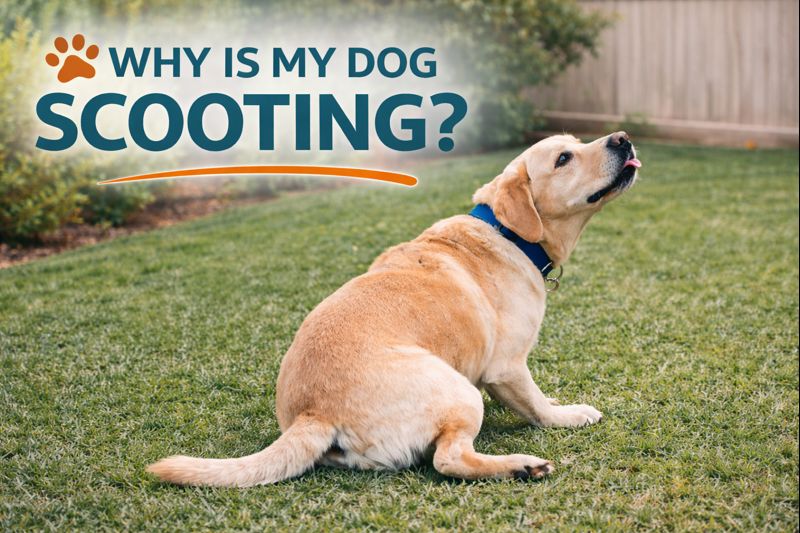
You’ve probably seen it before—your dog suddenly sits down and drags their rear across the floor. It might look funny at first, but if your dog is scooting, it’s actually a sign that something’s bothering them. Scooting means your dog is trying to relieve irritation, itching, or discomfort around their bottom.
While occasional scooting might be harmless, frequent scooting is often a clue that your dog has an underlying issue that needs attention. From full anal glands to allergies or parasites, there are several possible causes. Understanding why dogs scoot and how to help them can prevent bigger problems down the line.
What Does It Mean When a Dog Scoots?
When dogs scoot, they’re reacting to irritation or discomfort near their anus. The motion helps them scratch or relieve pressure. It’s similar to when humans scratch an itch—but since dogs can’t reach that area easily, they resort to dragging their bottoms instead.
Common causes range from impacted anal glands to worms, skin infections, or food allergies. Some cases are mild and temporary, but others need a vet’s help, especially if scooting becomes frequent or intense.
Common Reasons Dogs Scoot
There are several potential causes of scooting, and identifying the right one helps ensure your dog gets the right care.
Anal Gland Problems
This is the most common reason dogs scoot. Dogs have two small anal glands on either side of their anus that release a distinct scent when they defecate. Normally, the glands empty naturally, but sometimes they can become clogged or impacted. When that happens, they swell, causing irritation and pressure.
If left untreated, the glands can become infected or form abscesses, which are painful and may require antibiotics or manual expression by a veterinarian. Signs of anal gland issues include scooting, licking the rear, a fishy odor, and difficulty sitting comfortably.
Worms or Parasites
Another common reason dogs scoot is the presence of intestinal parasites—especially tapeworms. These parasites shed tiny segments that resemble grains of rice, which can cause itching and discomfort near the anus.
If you notice small white segments in your dog’s stool or around their tail, contact your vet for a fecal test. Deworming medication usually clears the issue quickly once identified.
Allergies and Skin Irritation
Allergies can also cause itching and inflammation around the tail and anus. Dogs can develop allergies to food, pollen, dust, or even grooming products. When the skin becomes red and inflamed, scooting is a natural attempt to find relief.
If your dog’s itching is seasonal or linked to diet changes, allergy management with your vet may help. Hypoallergenic foods, omega-3 supplements, or medicated wipes can reduce flare-ups.
Mats or Hygiene Issues
Long-haired dogs like Shih Tzus or Golden Retrievers sometimes develop mats around the rear that trap moisture, feces, or bacteria. This can lead to irritation, infection, or odor. Keeping the fur trimmed short and wiping after bowel movements can prevent buildup and discomfort.
Anal or Rectal Infections
Infections or inflammation of the anal glands, skin folds, or surrounding tissue can cause pain and scooting. Bacterial infections might produce redness, swelling, or discharge. Dogs with chronic infections often need antibiotics or medicated cleaning solutions prescribed by a vet.
How to Tell If It’s Serious
Occasional scooting isn’t always a big deal—sometimes a dog just needs a quick scratch. But if it happens repeatedly over a few days or is accompanied by licking, odor, or swelling, it’s time to investigate further.
Here are signs that your dog’s scooting could indicate something more serious:
-
Persistent or frequent scooting over several days
-
Licking or biting the anal area excessively
-
A fishy or foul odor
-
Redness, swelling, or bleeding near the anus
-
Straining during bowel movements
-
Visible worms or rice-like particles in stool
If you notice any of these symptoms, schedule a vet visit. The sooner the issue is treated, the easier and less painful it will be for your dog.
How to Help a Dog That’s Scooting
Step 1: Check for Obvious Irritation
Gently lift your dog’s tail and look for redness, swelling, or visible debris. If the area is dirty, use a warm, damp cloth or unscented pet wipe to clean it. Avoid human wipes with alcohol or fragrance, as they can irritate sensitive skin.
Step 2: Express the Anal Glands (If Trained)
Some experienced owners or groomers can manually express a dog’s anal glands. However, this should only be done if you know the correct technique. Applying too much pressure or doing it too frequently can cause damage. If you’re unsure, have your veterinarian or a professional groomer handle it safely.
Step 3: Treat for Parasites
If your vet suspects worms, they’ll perform a fecal test and prescribe a dewormer. Over-the-counter options are available, but it’s best to get a proper diagnosis first since different parasites require specific treatments.
Step 4: Address Allergies
If allergies are suspected, your vet may recommend switching to a hypoallergenic dog food, such as those made with limited ingredients or novel proteins. You can also use soothing wipes or medicated sprays for temporary relief. Omega-3 fatty acid supplements are excellent for reducing inflammation and improving skin health.
Step 5: Improve Hygiene
Keep the fur around your dog’s backside clean and trimmed. Use gentle wipes after bowel movements and bathe your dog regularly with a mild, hypoallergenic shampoo. Avoid harsh chemicals or heavily scented products that can cause irritation.
Preventing Future Scooting
Prevention is key. Here are some tips to help minimize future scooting episodes:
-
Schedule regular anal gland checks. Some dogs naturally need manual expression every few months.
-
Feed a high-fiber diet. Fiber helps firm up stools, which promotes natural anal gland expression.
-
Keep up with deworming and flea control. Parasite prevention goes a long way in avoiding itching.
-
Maintain hygiene. Trim long hair around the anus and clean regularly.
-
Watch for allergies. If you notice seasonal itching or changes after new foods, talk to your vet about allergy testing.
When to Call the Vet
Call your vet if your dog’s scooting doesn’t stop after a couple of days, or if you notice any signs of infection, pain, or odor. Chronic scooting could indicate something more complex, like recurring gland blockages, anal tumors, or skin infections.
Your vet can perform a full exam, express the glands if needed, and provide treatments such as antibiotics, anti-inflammatories, or medicated wipes. In rare cases, surgery may be necessary to remove chronically infected anal glands.
FAQs About Dog Scooting
Why is my dog scooting on the carpet?
Dogs scoot to relieve itching or irritation near the anus. Common causes include clogged anal glands, worms, or skin irritation. While it may look funny, frequent scooting means your dog is uncomfortable and likely needs care.
Can I express my dog’s anal glands at home?
Only if you’ve been shown how to do it safely by a vet or groomer. It’s easy to cause pain or injury if done incorrectly. Most dog owners prefer to let professionals handle it.
What foods help prevent anal gland problems?
High-fiber foods can help firm stool and promote natural gland expression. Adding a small spoon of plain canned pumpkin or using fiber supplements like Glandex Fiber Chews (available on Chewy) can support digestive and gland health.
Can worms cause my dog to scoot?
Yes. Tapeworms and other parasites can cause itching and irritation around the rear. Look for small white segments in stool and consult your vet for a deworming treatment.
Is scooting ever normal?
Occasional scooting isn’t necessarily concerning. However, if your dog does it repeatedly or shows signs of pain, odor, or swelling, it’s time for a vet visit.
How can I keep my dog’s rear clean?
Trim long fur, use fragrance-free wipes, and consider pet-safe grooming wipes like Petkin Dog Ear & Bottom Wipes. Clean gently and avoid over-scrubbing sensitive skin.
What happens if anal gland problems go untreated?
Untreated anal gland impaction can lead to infection or abscesses, which are painful and can burst. Early care prevents complications and keeps your dog comfortable.
Can allergies cause scooting?
Yes. Food and environmental allergies can cause skin inflammation near the tail and anus. Managing allergies through diet, vet-approved shampoos, and supplements can reduce flare-ups.
The Bottom Line: Scooting Is a Sign, Not a Quirk
When your dog scoots across the floor, they’re not just being silly—they’re telling you something’s wrong. Whether it’s anal gland pressure, irritation, or parasites, scooting is your dog’s way of asking for relief.
By learning the common causes and how to respond, you can prevent discomfort, infections, and even more serious conditions. If scooting happens often, don’t ignore it—schedule a vet visit and keep your dog’s health (and your floors) in great shape.