What Can I Give My Dog for Pain?
If your dog is limping, whining, slowing down, or just not acting like themselves, it’s normal to feel concerned and want to help right away. One of the most common questions dog owners ask is, “What can I give my dog for pain?” The answer is not as simple as grabbing something from your medicine cabinet. In fact, many human pain medications are dangerous or even deadly for dogs.
The safest way to manage your dog’s pain depends on what is causing it. Pain can come from injuries, arthritis, dental problems, surgery, or even internal illness. Before giving anything, it’s important to understand what options are safe and which ones you should avoid completely.
Signs Your Dog Is in Pain
Dogs don’t always show pain in obvious ways. Some dogs will cry or limp, but others become quiet and withdrawn. Knowing the signs of pain can help you act quickly and get your dog the help they need.
You might notice your dog moving slower than usual or having trouble getting up. They may avoid jumping, playing, or going up stairs. Some dogs pant more, even when they are not hot, while others may lose their appetite or become irritable. Changes in posture, such as a hunched back or stiffness, can also be a sign that something is wrong.
If your dog is showing any of these signs, it’s important to take them seriously and look into safe ways to help manage their discomfort.
Safe Pain Relief Options for Dogs
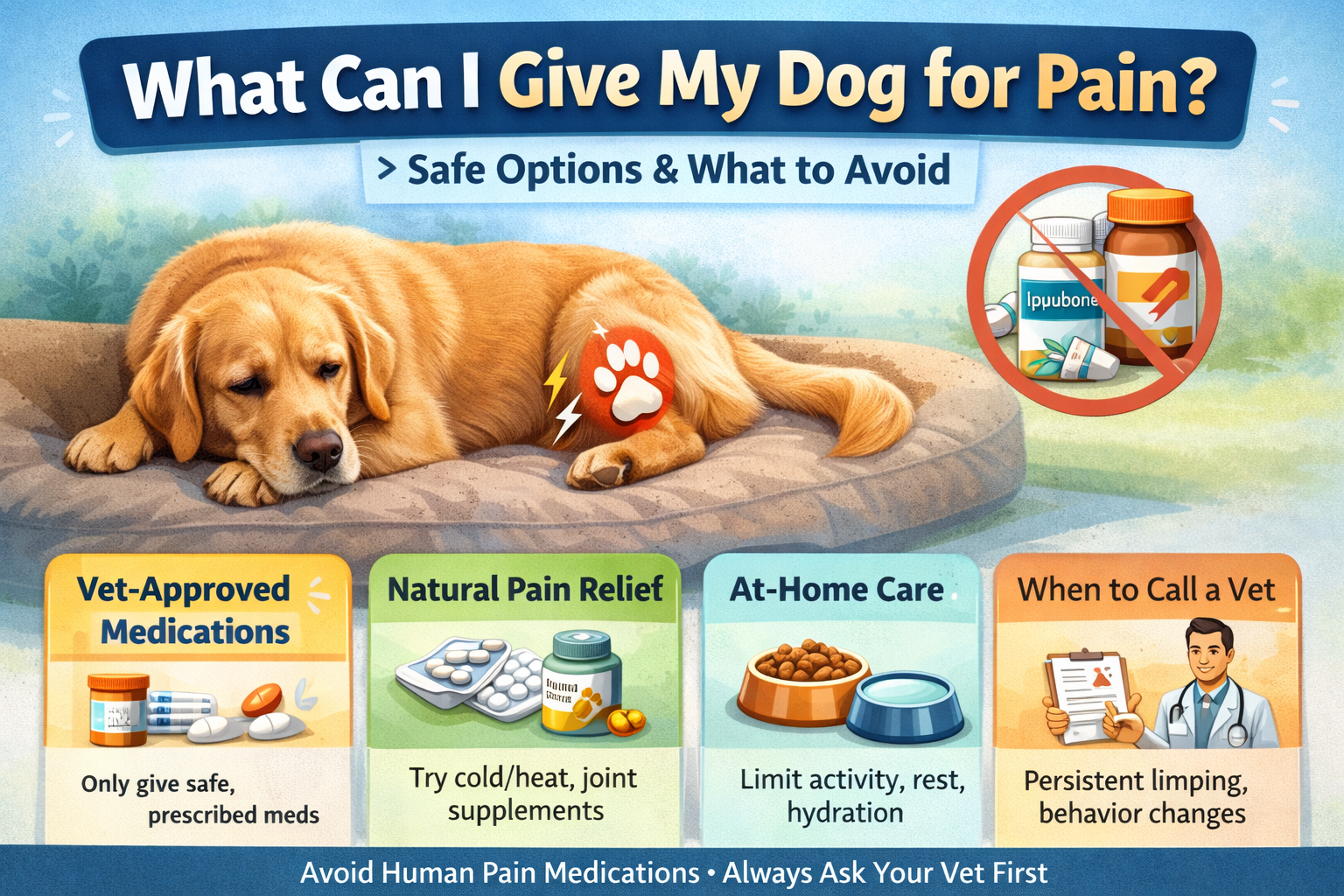
When it comes to treating pain in dogs, there are safe options—but most of them should come from a veterinarian. Over-the-counter human medications are not usually safe, so it’s important to know what actually works.
Veterinarians commonly prescribe medications designed specifically for dogs. These include anti-inflammatory drugs that reduce swelling and pain, especially for conditions like arthritis or injuries. These medications are carefully dosed based on your dog’s size, health, and condition.
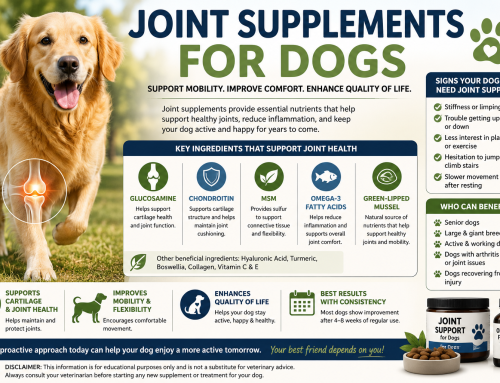
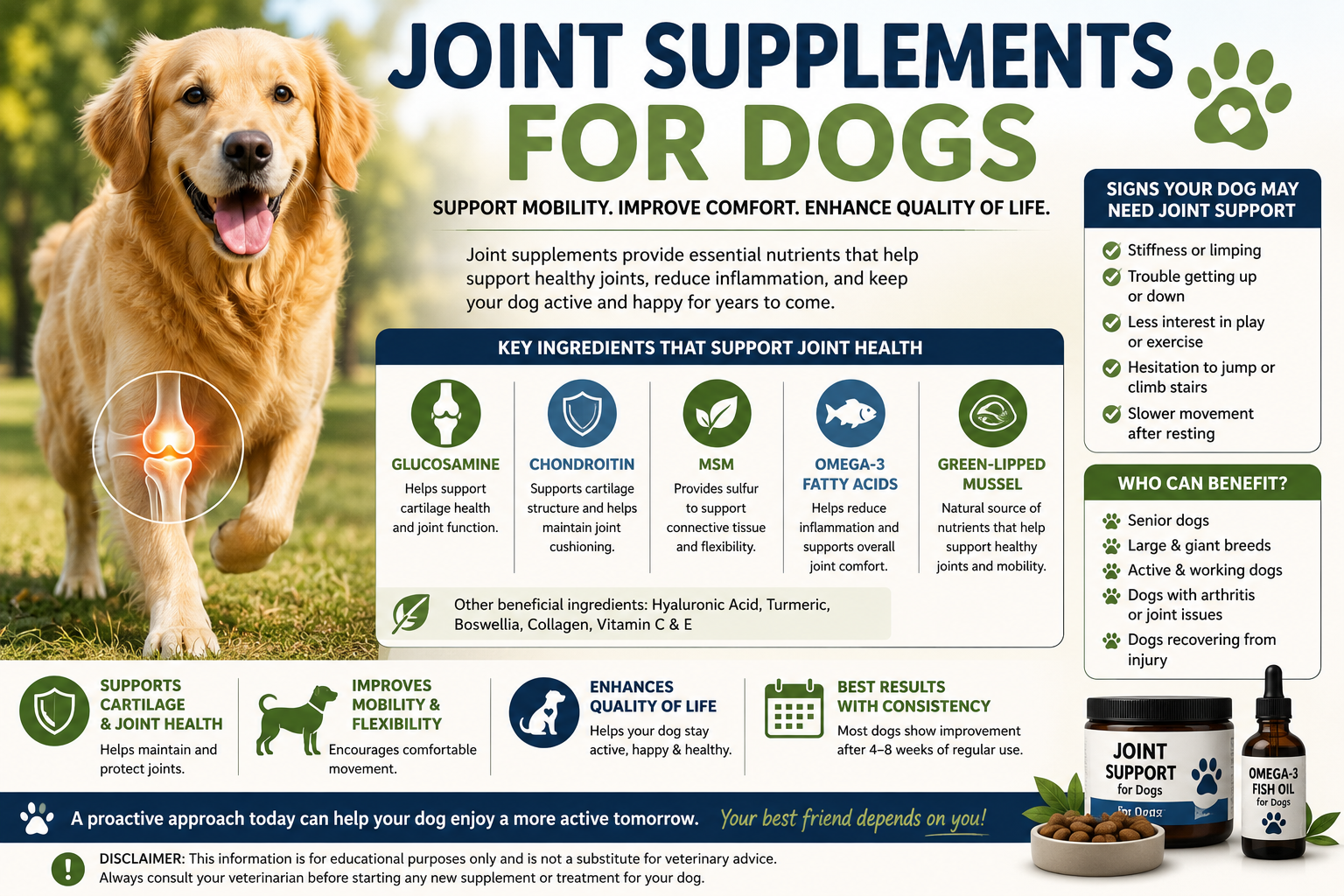
In some cases, vets may also recommend supplements. Joint supplements that contain ingredients like glucosamine and chondroitin can help support mobility and reduce discomfort over time. Omega-3 fatty acids, often found in fish oil, can also help reduce inflammation in dogs with chronic pain.
For mild pain, non-medication approaches can also help. Rest is one of the most effective ways to allow your dog’s body to heal. Providing a comfortable bed, limiting activity, and avoiding rough play can make a big difference.
What Human Pain Medications Are Safe for Dogs?
This is where many dog owners make a mistake. Most human pain medications are not safe for dogs, even in small amounts. Medications like ibuprofen, naproxen, and acetaminophen can cause serious health problems in dogs, including stomach ulcers, kidney failure, and liver damage.
Even if you have heard of someone giving their dog a small dose of a human medication, it is not worth the risk. Dogs process drugs differently than humans, and what seems like a small amount can quickly become toxic.
The only time a human medication might be used is if a veterinarian specifically tells you it is safe and provides the correct dosage. Never guess or try to calculate a dose on your own.
Natural Pain Relief for Dogs
Some dog owners prefer to explore natural options for managing pain, especially for long-term conditions like arthritis. While natural remedies are not a replacement for veterinary care, they can be helpful when used correctly.
Cold therapy can help reduce swelling and inflammation after an injury. Applying a cold pack for short periods can provide relief in the early stages. Heat therapy, on the other hand, is often used for chronic pain and stiffness, helping to relax muscles and improve circulation.
Massage can also help reduce tension and improve comfort, especially for older dogs. Gentle movement and stretching, when done carefully, can support mobility and prevent stiffness from getting worse.
There are also natural supplements that may help with pain management. Turmeric, CBD products made specifically for pets, and herbal blends are sometimes used, but it’s important to talk to a vet before trying them. Not all natural products are safe, and some can interact with medications.
What Can I Give My Dog for Pain at Home?
If your dog is in mild pain and you cannot get to a vet immediately, there are a few safe things you can do at home to help them feel more comfortable.
Start by limiting their movement. Keeping your dog calm and restricting activity can prevent further injury. Provide a soft, supportive place for them to rest, away from noise and stress.
Make sure your dog stays hydrated and continues to eat, even if in smaller amounts. Dehydration and lack of nutrition can make pain feel worse.
You can also apply cold or warm compresses depending on the situation. Cold is better for swelling or recent injuries, while warmth is better for stiffness and ongoing discomfort.
However, it’s important to remember that these are temporary measures. If your dog’s pain continues for more than a day or two, or if it seems severe, you should contact a veterinarian as soon as possible.
When to Call a Vet for Dog Pain
Not all pain can be managed at home. In many cases, veterinary care is necessary to properly diagnose and treat the problem.
You should call a vet if your dog is limping for more than 24 hours, refuses to eat, cries out in pain, or shows signs of serious discomfort. Sudden changes in behavior, difficulty breathing, or signs of injury should also be treated as urgent.
Chronic pain, such as arthritis, should always be managed with a long-term plan created by a veterinarian. This often includes medication, weight management, and lifestyle adjustments.
The sooner you address pain, the better the outcome for your dog.
How Weight Affects Pain in Dogs
One of the most overlooked causes of pain in dogs is excess weight. Carrying extra pounds puts added stress on joints, muscles, and bones, especially in larger breeds.
Dogs that are overweight are more likely to develop arthritis and mobility issues. Even a small amount of weight loss can significantly reduce pain and improve quality of life.
This is where proper feeding plays a big role. Using tools like a dog food calculator can help you determine the right portion sizes to maintain a healthy weight and reduce strain on your dog’s body.
Preventing Pain in Dogs
While you can’t prevent every injury or condition, there are steps you can take to reduce the risk of pain in your dog.
Keeping your dog at a healthy weight is one of the most important things you can do. Regular exercise helps maintain strong muscles and joints, while also supporting overall health.
Providing proper nutrition ensures your dog gets the vitamins and nutrients they need to stay strong. Routine vet checkups can catch problems early before they turn into painful conditions.
Creating a safe environment at home can also help prevent injuries. Avoid slippery floors, provide ramps if needed, and make sure your dog has a comfortable place to rest.
Safety Comes First
If you’re wondering what you can give your dog for pain, the most important thing to remember is that safety comes first. While there are ways to help your dog feel more comfortable at home, most effective pain relief options come from a veterinarian.
Avoid using human medications unless specifically directed by a professional, and focus on safe, proven methods like rest, proper nutrition, and vet-approved treatments.
Your dog relies on you to make the right choices for their health. When in doubt, always reach out to a veterinarian to make sure your dog gets the care they need.
Disclaimer*
This content is for informational purposes only and is not a substitute for professional veterinary advice. Never give your dog medication without consulting a licensed veterinarian. If your dog is in pain or showing signs of illness or injury, seek veterinary care as soon as possible.